

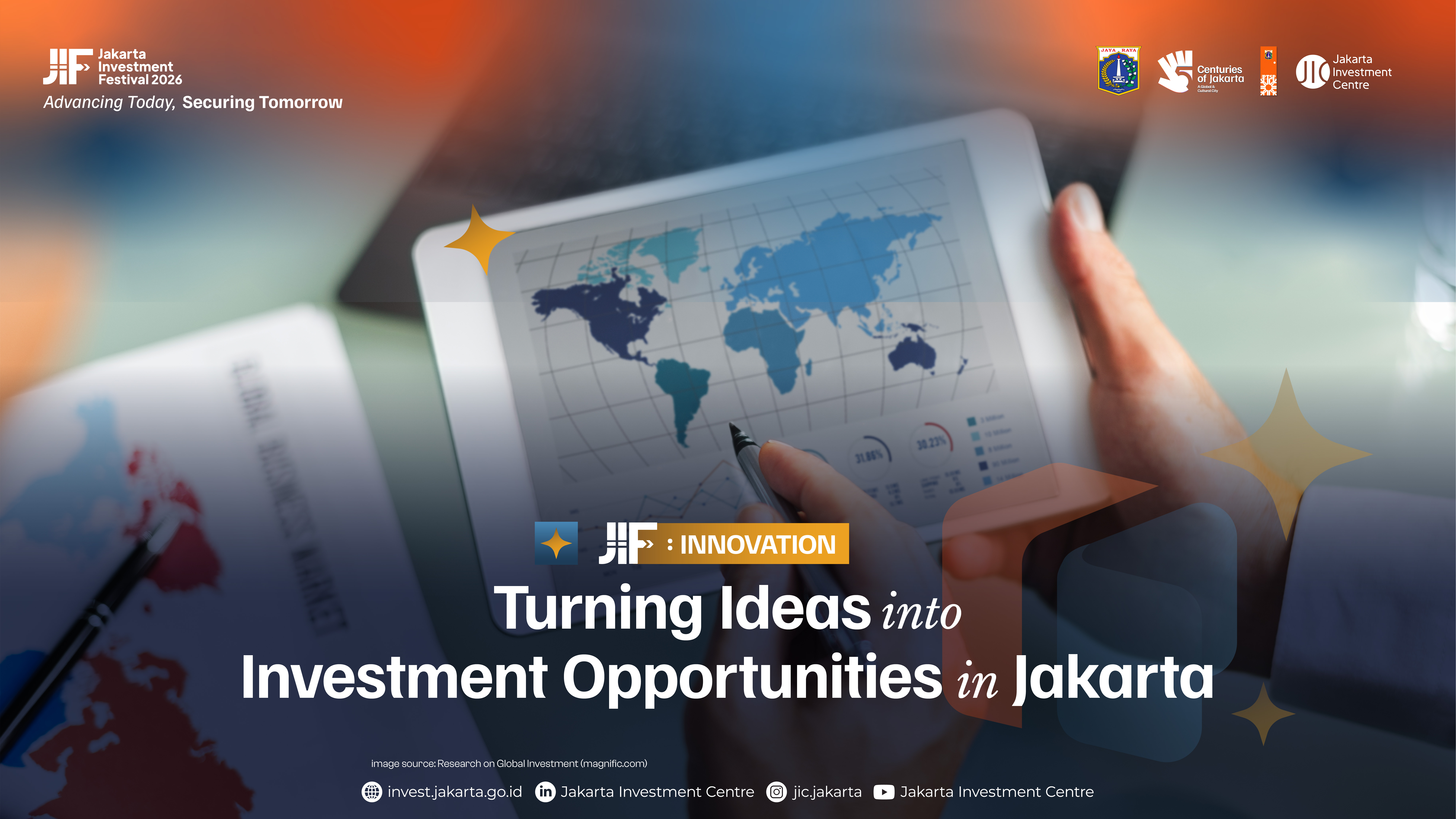
The long-term competitiveness of cities increasingly depends on their ability to drive innovation, attract investment, and support enterprise growth. While infrastructure and connectivity remain essential foundations, Oliver Wyman (2026) highlights that competitive cities must actively nurture skilled talent, strengthen science, technology, engineering, and mathematics (STEM) education, build tech ecosystems, and establish supportive policies to create an innovation economy where universities, research institutions, startups, and businesses can convert research into commercially viable products, services, and business models.
This growing emphasis on innovation is also changing the factors that influence global investment decisions. Kearney (2026) identifies technological and innovation capabilities as the most important factor influencing foreign direct investment decisions, with investors increasingly directing capital toward markets that demonstrate innovation leadership and long-term technological competitiveness. To remain competitive in this evolving investment landscape, Jakarta continues to strengthen partnerships between academia, industry, startups, and investors to accelerate the commercialisation of new ideas and technologies.
Partnerships alone, however, are not enough to build a successful innovation ecosystem. Their impact depends on the ability of universities, businesses, entrepreneurs, investors, and government institutions to coordinate their distinct contributions toward shared goals. The World Economic Forum’s 2025 report on innovation ecosystems explains that a city’s economic success increasingly depends on its ability to cultivate innovation, attract startups and venture capital, and channel these strengths into collaborative structures. The report further outlines how innovation thrives through partnerships between universities and industry, government and entrepreneurs, and established corporations and startups, creating an environment that encourages knowledge sharing and collaboration.
For cities, the true value of an innovation ecosystem lies not only in generating new ideas but also in creating an environment where those ideas can contribute to economic growth. When researchers, entrepreneurs, businesses, and investors operate within a connected ecosystem, innovation is more likely to lead to new enterprises, commercially viable solutions, and investment opportunities. As Jakarta advances its ambition to become a global city, strengthening this ecosystem will be increasingly important for attracting investment, supporting innovation-led industries, and creating long-term economic value.
These priorities will come together at the Jakarta Investment Festival (JIF) 2026, where investors, businesses, research institutions, startups, and development partners can engage with the ideas and opportunities shaping Jakarta’s future economy. Through the Minds to Market Pavilion, JIF 2026 will highlight how research, talent, and innovation can be brought together to support the creation of new businesses, accelerate commercialisation, and expand investment opportunities. Visit the Minds to Market Pavilion to discover how Jakarta is connecting global capital with local talent and innovation as part of its transformation into a competitive global city.
For more information and the latest updates on the Jakarta Investment Festival (JIF) 2026, please follow @jakartainvestmentfestival on Instagram.